
Infections in Transplant Recipients
Advanced infectious disease care for transplant recipients requiring specialized monitoring, precision diagnostics, and personalized long-term management.
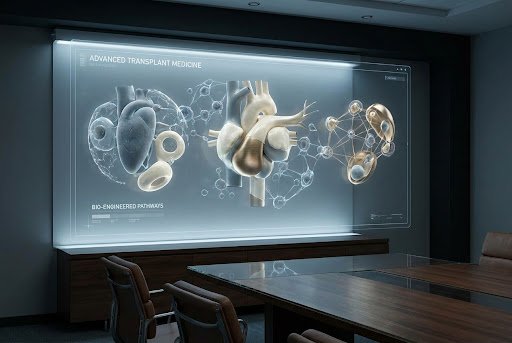
A commitment to clinical excellence
Advanced care for infectious complications in transplant recipients, focused on precision diagnostics, personalized treatment, and long-term immune health management. Care includes specialized support for hematopoietic stem cell and solid organ transplant patients with attentive monitoring and comprehensive infectious disease management.
Opportunistic Infections
Specialized care for infectious complications in hematopoietic stem cell & solid organ transplant patients, including opportunistic infections that may develop in immunocompromised individuals.
Viral Infections After Transplant
Advanced evaluation and management of viral infections that can occur following transplant procedures, requiring attentive monitoring and personalized treatment strategies.
Fungal & Respiratory Infections
Comprehensive infectious disease care for complex fungal and respiratory infections affecting transplant recipients and immune-compromised patients.
Long-Term Infection Monitoring
Long-term transplant care focused on monitoring infection risks, including respiratory illnesses, viral infections, UTIs, and complications related to weakened immune systems.

Advanced Diagnostics & Ongoing Monitoring
Successful management of transplant infections requires speed and specificity. We leverage the latest in molecular diagnostics, including metagenomic next-generation sequencing (mNGS), to identify pathogens with unprecedented accuracy.
- Real-time viral load monitoring and kinetics analysis.
- Therapeutic drug monitoring to balance efficacy and toxicity.
- Multidisciplinary collaboration with transplant surgical teams.
Concierge Management for the Complex Patient
Transplant patients should not be left to navigate the labyrinth of healthcare systems alone. Our concierge model ensures direct physician access, eliminating the delays of typical medical practices.
Dr. Scoma personally oversees every aspect of the infectious disease strategy, providing a singular point of intellectual authority. This continuity of care is vital for patients with high medical complexity where subtle changes in clinical status require immediate, expert interpretation.

Frequently Asked Questions
Why are transplant recipients more vulnerable to infections?
Transplant patients often require immunosuppressive medications, which can weaken the immune system and increase the risk of infections.
What types of infections can occur after a transplant?
Common infections may include viral, bacterial, fungal, respiratory, and opportunistic infections that require specialized monitoring and care.
Do you provide long-term infection monitoring for transplant patients?
Yes. Ongoing monitoring focuses on early detection, infection prevention, immune health management, and long-term wellness support.
What symptoms should transplant recipients watch for?
Symptoms such as fever, fatigue, cough, shortness of breath, urinary symptoms, or unusual changes in health should be evaluated promptly
What can I expect during my consultation?
Consultations include a detailed review of medical history, transplant-related risks, current symptoms, prior testing, and personalized recommendations for evaluation and treatment.
Why Patients Choose Us
Board-Certified Expertise
Board-certified infectious disease expertise focused on chronic illness care.
Concierge-Level Care
A private and personalized care experience focused on each patient’s needs.
Advanced Strategies
Access to testing and therapeutic protocols beyond the standard of care.
Complex Illness Focus
Specialization in the multi-systemic nature of persistent infections.
Precision Medicine
Treatment based on your unique genetic and immunologic profile.
ILADS Affiliated
Committed to the highest standards of Lyme-literate medical care.
Dignity, Precision, and Enduring Support
We believe that elite medicine is as much about compassionate presence as it is about clinical expertise. For the transplant recipient, the psychological burden of infection can be as taxing as the physical. We provide a sanctuary of intellectual authority where patients feel seen, heard, and protected.